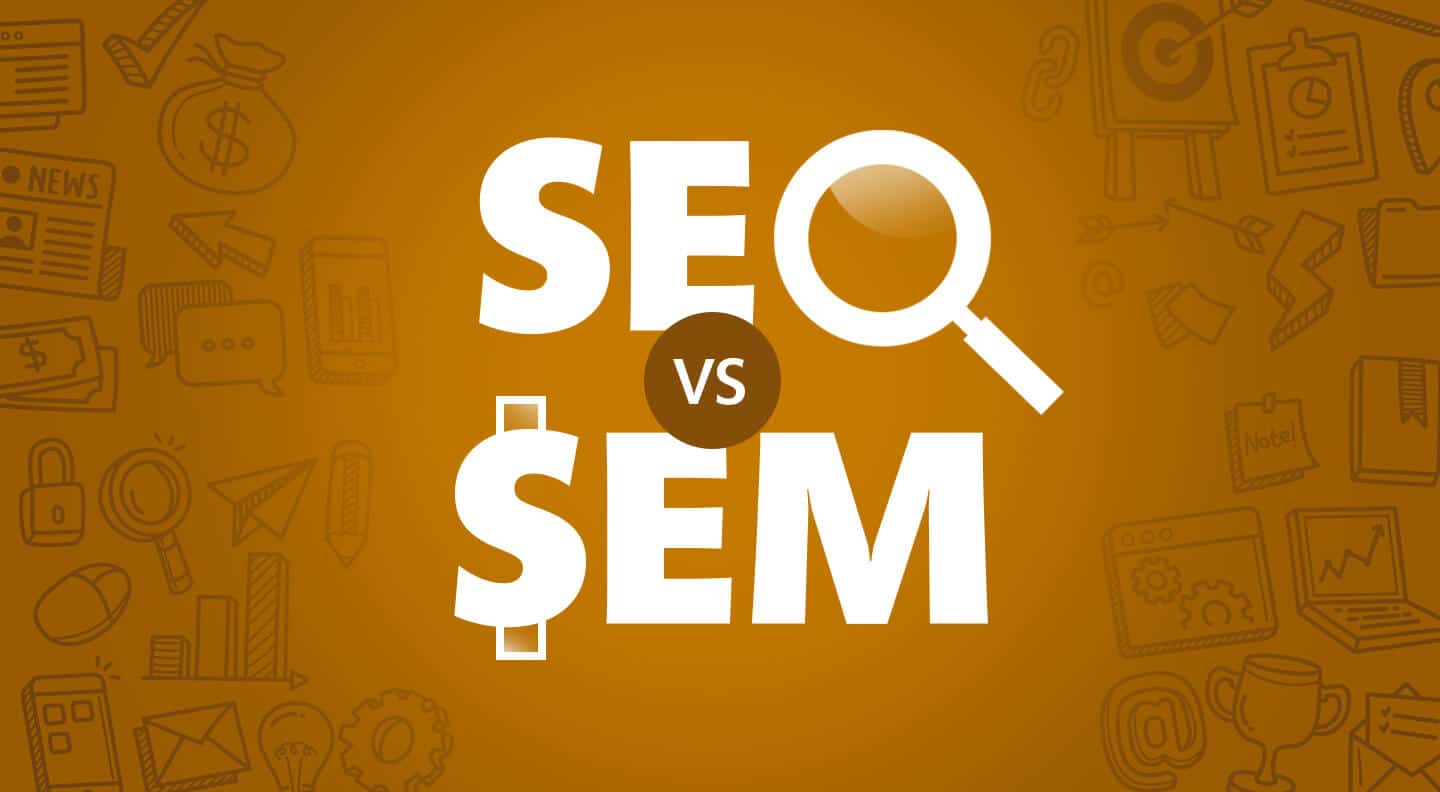
In the ever-changing online business world, two terms are usually at the top of the list when it comes to success: Digital Marketing and SEO. For the uninitiated, or even for experienced business people, these terms can be quite confusing as they are so closely related. Are they different, or is one more important than the other? The response is rather complex, and the proper distinction is critical for formulating a successful strategy.
This thorough investigation is unavoidable especially if you are thinking of changing your career, or if you are just planning to acquire new skills via a digital marketing course or an SEO one. Realizing what each of the two disciplines includes is the very first step toward establishing a strong and versatile online presence that will give you sustainable growth.
Defining the Digital Landscape: Scope and Purpose
The scope is what separates Digital Marketing and SEO most significantly. In other words, you can consider it as Digital Marketing being the whole orchestra while SEO being a very specific and basic instrument that is part of the orchestra.
What is Digital Marketing?
Digital Marketing is a term that covers all the marketing activities done through electronic devices or the internet. The main purpose of the digital promotion is to create a strong online presence and then to do so by attracting customers and selling through different digital channels.
A well-rounded digital marketing course will cover a vast array of topics, including:
- Search Engine Optimization (SEO): The focus of our article, which is about earning free, organic traffic.
- Pay-Per-Click (PPC) Advertising: Paid ads on platforms like Google Ads and social media.
- Social Media Marketing (SMM): Building brand presence and engaging audiences on platforms like Facebook, Instagram, and LinkedIn.
- Content Marketing: Creating and distributing valuable, relevant, and consistent content (blogs, videos, guides) to attract a defined audience.
- Email Marketing: Communicating with prospects and customers via email to nurture leads and build loyalty.
- Affiliate Marketing: Partnering with others to promote your products for a commission.
- Video Marketing: Utilizing platforms like YouTube and TikTok for brand promotion.
What is SEO (Search Engine Optimization)?
The scope is what separates Digital Marketing and SEO most significantly. In other words, you can consider it as Digital Marketing being the whole orchestra while SEO being a very specific and basic instrument that is part of the orchestra.
An effective SEO course focuses on a specific, three-pillared strategy:
- On-Page SEO: Optimizing elements on your website pages, such as content quality, using relevant keywords, optimizing title tags, and ensuring a strong user experience.
- Off-Page SEO: Building the authority and credibility of your website through external factors, primarily high-quality backlinks from other reputable sites.
- Technical SEO: Ensuring the website’s technical foundation is sound, covering aspects like site speed, mobile-friendliness, site architecture, and proper indexing by search engines.
Key Goal: Digital Marketing is a term that covers all the marketing activities done through electronic devices or the internet. The main purpose of the digital promotion is to create a strong online presence and then to do so by attracting customers and selling through different digital channels.
The Core Differences in Strategy, Cost, and Time
Though SEO and Digital Marketing are two sides of the same coin, the ways they work are distinct from each other. Comprehending these dissimilarities is the key to strategic resource allocation.
- Timeframe for Results: Marathon vs. Sprint
One of the most significant differentiators is the speed at which results materialize.
- SEO is a Marathon: SEO is a long-term investment that gradually pays off. Typically, a three to six-month period is required before one can observe a significant change in the position of their website in the search engines as these engines take that much time to crawl, index and rank your site. However, the outcome is, in a way, everlasting; your website will be getting the organic traffic for an indefinite period even after the first efforts have been made.
- Digital Marketing Offers Sprints and Marathons: On the one hand, the tactics such as PPC advertising and paid social media campaigns can offer immediate results (a “sprint”) with traffic and sales being driven within a few hours of a campaign launch. On the other hand, some components like a strong content strategy or email nurturing can be regarded as being the longer-term “marathons.”
- Cost Model: Investment vs. Continuous Spending
- SEO is Cost-Effective (Over Time): Taking an SEO course or employing a specialist needs an upfront investment of time and/or money, however, the traffic you obtain is free. After your content has achieved the ranking, it still brings you leads without incurring any more per-click charges thus making it to be very economical in the long term.
- Digital Marketing Includes Variable Costs: Digital marketing being the sum of paid channels, the total cost can be more and it also necessitates recurrent spending. Traffic stops as soon as you cease paying for a PPC ad. The cost of a comprehensive digital marketing course will regularly indicate this wider requirement for knowledge about paid media budgets.
Why the Difference Matters for Your Career and Business?
Considerate the distinction isn’t just educational; it commands your strategic focus, budget provision, and the type of training you pursue.
For Career Growth: Choosing Your Course
If you’re observing to jumpstart or be attentive your career, the choice flanked by a digital marketing course and an SEO course troubles greatly:
Choose a Digital Marketing Course if:
- You want a broad, versatile skill set that can adapt to different roles (e.g., Marketing Manager, Brand Specialist).
- You prefer variety and enjoy working across multiple channels (social media, email, paid ads, content).
- Your goal is to become an entrepreneur or run a full-service marketing agency.
Choose an SEO Course if:
- You want to become a specialized expert in organic search, analytics, and technical website performance.
- You enjoy data analysis, problem-solving, and continuous optimization.
- Your long-term goal is a career with sustainable demand, such as an SEO Specialist, Technical SEO Analyst, or Content Strategist.
In certainty, the most appreciated professional often put the last touches on a digital marketing course to gain the broad background, and then immediately trails it up with a dedicated SEO course to build the foundational, high-demand skill.
For Business Success: The Power of Integration
For a occupational, the enquiry is never “SEO vs. Digital Marketing,” but “How do we assimilate SEO into our overall Digital Marketing strategy?”
- SEO Fuels Your Content Marketing: SEO is the backbone of a successful content strategy. Having evaluated the keyword research output (an SEO function) your marketing team will know what topics to work on, thereby making sure the resources (time and money) spent on writing are used for the people who really want to read that content.
- PPC and SEO Share Data: PPC or paid search campaigns usually take advantage of keyword data already collected through SEO efforts. On the other hand, your PPC campaigns can quickly deliver information about the best converting keywords which can be a determining factor in your long-term SEO strategy.
- Social Media Amplifies SEO: Social media engagement is not a direct factor in improving search engine rankings; however, putting links to your content (that is optimized, high-quality) on social networks does bring in traffic and visibility, which are strong authority signals that indirectly keep on supporting your SEO performance.
The most successful companies are the ones who first build a sturdy foundation made of high-quality organic traffic, and credibility with the help of SEO, then they go on to using the wider Digital Marketing tools (like paid ads and social media) to extend their reach, speed up results, and interact with customers everywhere.
Final Thoughts: The Path Forward
Ultimately, distinguishing between Digital Marketing and SEO comes down to one being the all-in-one plan for your online presence while the other being the long-term, foundational tactic aimed at organic search visibility.
Solid SEO offers the necessary continuous high-quality traffic that no online business can survive without. On the other hand, no modern brand can reach its full potential without using the full range of Digital Marketing tools, from social media to email.
This understanding should dictate your next step, whether you are a professional or a business owner. If you are committed to developing a vital and permanent skill, choose a profound SEO course. If your aim is to control the whole of the online picture, sign up for a powerful digital marketing course that features an extensive SEO module. By thoroughly understanding both the specialty and the strategy, you make sure that your online success is not only quick but also durable.